

Investment Property in Playa del Carmen
Real return numbers, zone by zone — not brochure promises. Verified inventory at developer-direct pricing.
What a rental condo in Playa del Carmen earns only shows over a full year — not the nightly rate on the brochure, but what is left after real occupancy, platform fees, management and the low season. This guide runs in that order: what it earns, which zone to buy in, what to buy, and what it costs to hold.
Investment inventory available now


Why Playa del Carmen, specifically
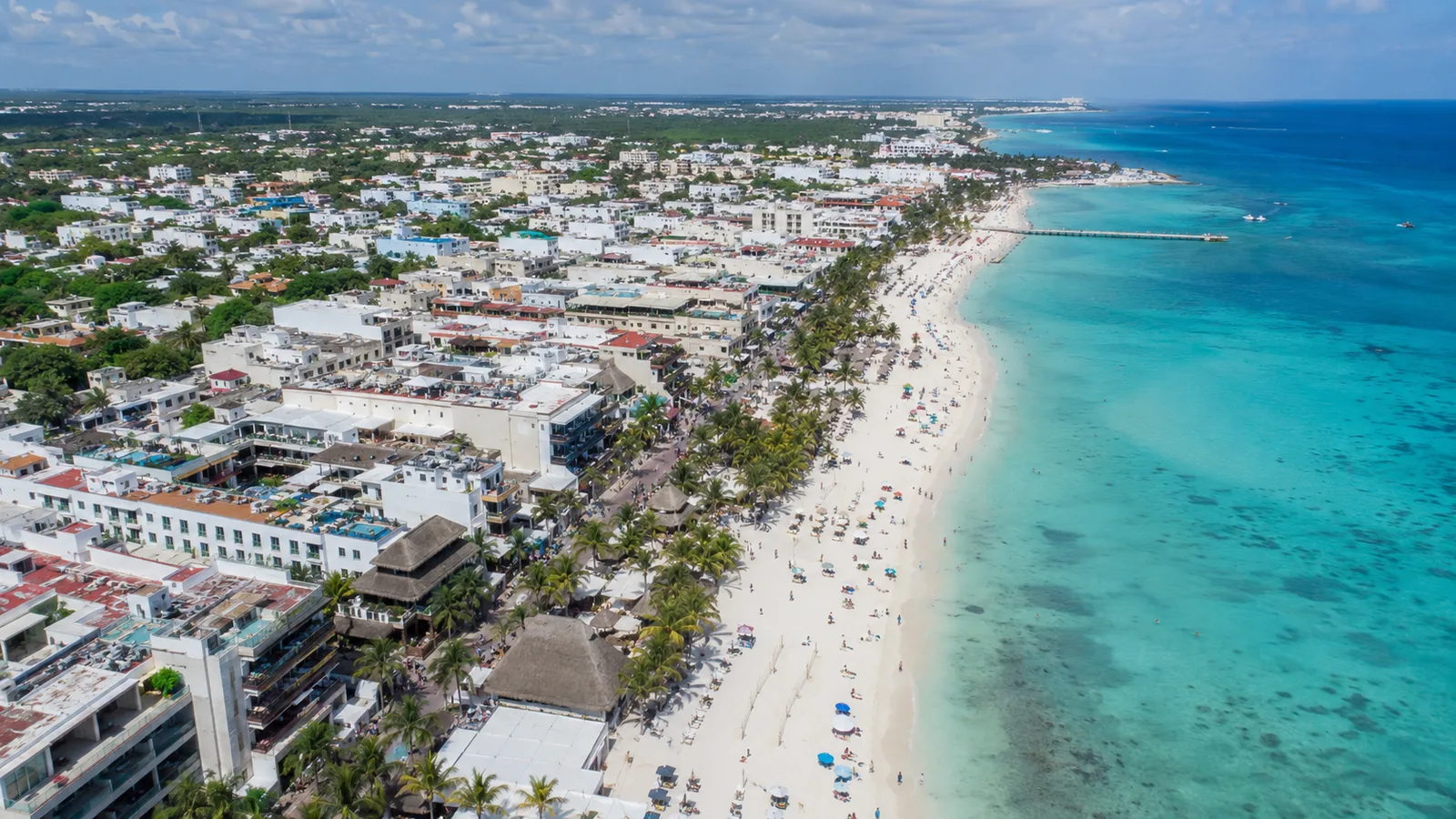
Three concrete reasons, in order of weight. Rental demand: the city holds one of the highest occupancy rates in Mexico — 60 to 85 percent annually for well-located, professionally managed units. Revenue arrives in dollars while operating costs are paid in pesos, which protects the margin for anyone earning in USD or CAD. And infrastructure keeps adding demand: the Maya Train, air connectivity through Cancún, and the Tulum airport all shorten the trip from a guest's booking to your front door.
The honest counterweight: Playa del Carmen is no longer a discovery market. Entry prices have climbed, host competition is real, and a badly chosen unit — outside walking distance of demand, in a building with no professional management, or under HOA rules that restrict short-term rentals — can return half of what the projection showed. That is why this page spends more space on filters than on selling points.
What the returns actually look like
The honest range for well-located short-term rentals is 8 to 12 percent gross annually. After platform fees, cleaning, professional management, HOA dues, property tax and the stabilization months, net lands between 6 and 10 percent. A projection promising more without itemizing those lines is incomplete — not a hidden opportunity.
A serious pro-forma reads line by line. Ask for it in this shape before you put money down, and walk away from any that can't produce one:
- Average daily rate (ADR) split by high and low season
- Conservative occupancy — not the building's best year
- Platform commission and per-stay cleaning cost
- Property management: 20–25% of gross rental if you're not self-managing
- Monthly HOA dues and annual property tax (predial, roughly 0.1% of assessed value)
- The first few months, while bookings are still building up
Which zone to buy in
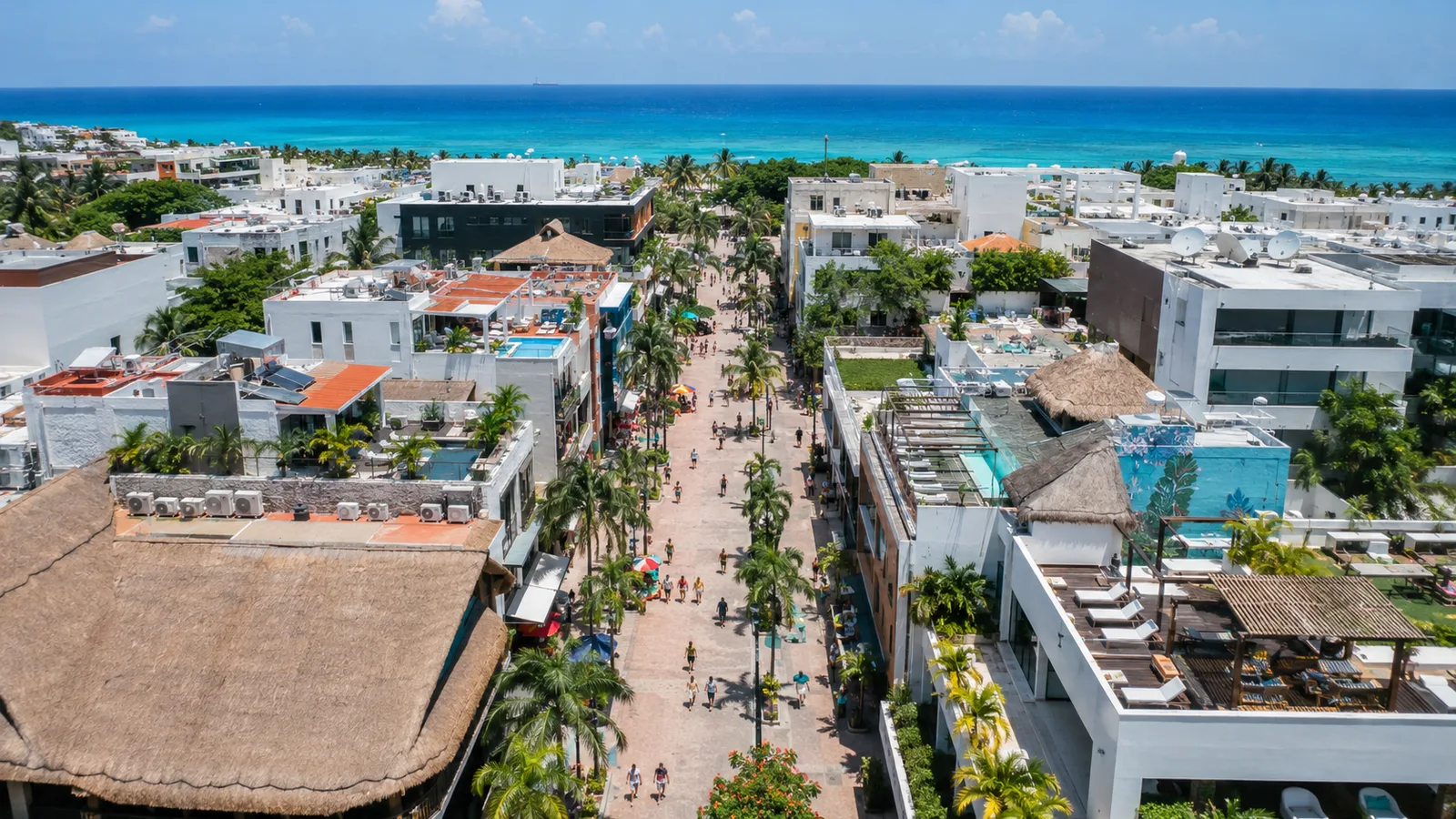
Zone matters more than building. For short-term rental the test is walking distance to demand — the beach, Fifth Avenue, restaurants — not the name on the development. Four areas hold effectively all the inventory worth comparing.
Pre-construction or resale?
Pre-construction creates value when the developer has a delivery record, clean permits and a payment plan that doesn't front-load capital into early-stage construction — the discount against finished product usually compensates for the wait. That inventory sits alongside finished stock in condos for sale in Playa del Carmen — the two stages have shared one catalog since the 2026-08-15 consolidation.
Resale pays from month one and lets you audit what pre-construction can only promise: actual rental statements, management already running, noise, light and the true state of the building. That inventory is in condos for sale in Playa del Carmen. For a first purchase abroad, resale with a verifiable history is usually the lower-risk route; pre-construction rewards buyers who already know the market and don't need that income yet. For a region-wide view across all markets, see investment properties in Riviera Maya.
Costs, ownership structure and US tax reporting
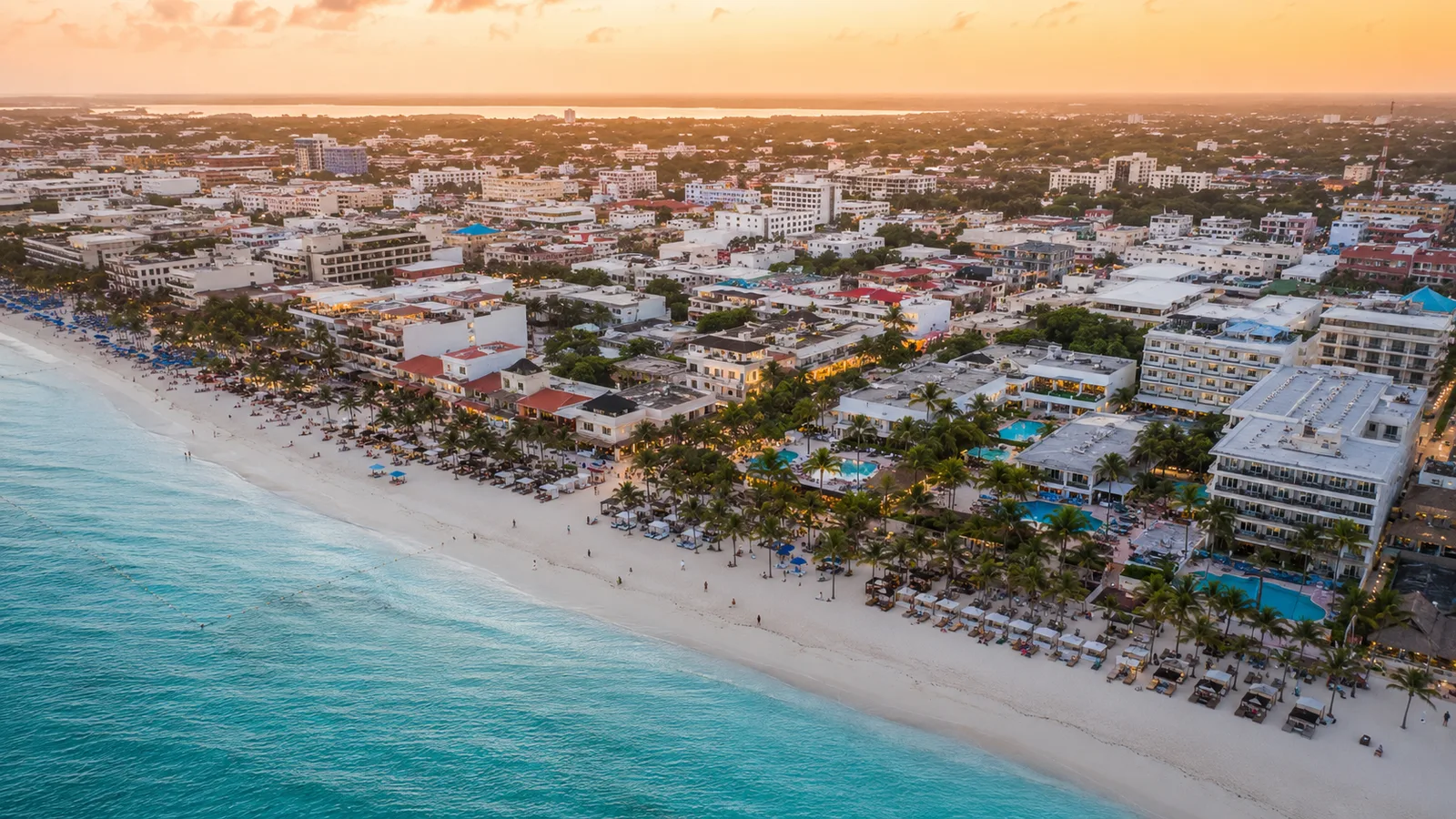
Inside the coastal zone, foreign buyers hold title through a fideicomiso — a bank trust where the bank is trustee and you keep full rights of use, rental, sale and inheritance, for an annual trustee fee. On top of the list price, budget 6 to 8 percent in closing costs: notary, acquisition tax (ISAI), public registry and setting up the trust.
Rental income is taxed in Mexico under ISR, and Airbnb and Booking now withhold at source for non-resident hosts. For US owners that income is still reportable to the IRS, but the foreign tax credit generally prevents paying twice — worth modeling with an accountant who handles cross-border rentals before you buy, not at filing time. One benefit buyers often find late: a purchase around $340,000 USD or more can support a Mexican temporary or permanent residency application under the economic-solvency route.
The mistakes that cost the most
Five we see repeatedly, in order of frequency. None of them get cheaper to fix after closing:
- Buying on renders and a discount, without active comparables in the same zone
- Accepting an ROI projection with no expense breakdown
- Not reading the building's rental rules — some buildings restrict short-term rentals, and the whole pro-forma disappears
- Overlooking the first few months, when bills are already due but bookings and guest reviews may still be sparse
- Signing without legal review independent of the seller
Zone comparison for investors
| Zone | Profile | Entry | Best for |
|---|---|---|---|
| Centro / Fifth Avenue | Least seasonal occupancy, car-free guests | Mid-high | Short-term rental cash flow |
| Zazil-Ha & Coco Beach | Consolidating, close to the beach | Mid | Rental plus appreciation |
| Playacar | Gated community with golf and security | High | Wealth-preservation, longer stays |
| Colosio / CTM | In transition, varies block by block | Low | A first investment condo |
Frequently asked questions
The Maya Ocean advisory team reviews this page for yield assumptions, zone accuracy, closing costs and consistency with live Playa del Carmen inventory.